How to Avoid Charter Scams Before You Book
Learn how to avoid charter scams with practical checks for listings, payments, contracts, insurance, and communication before your trip with confidence.
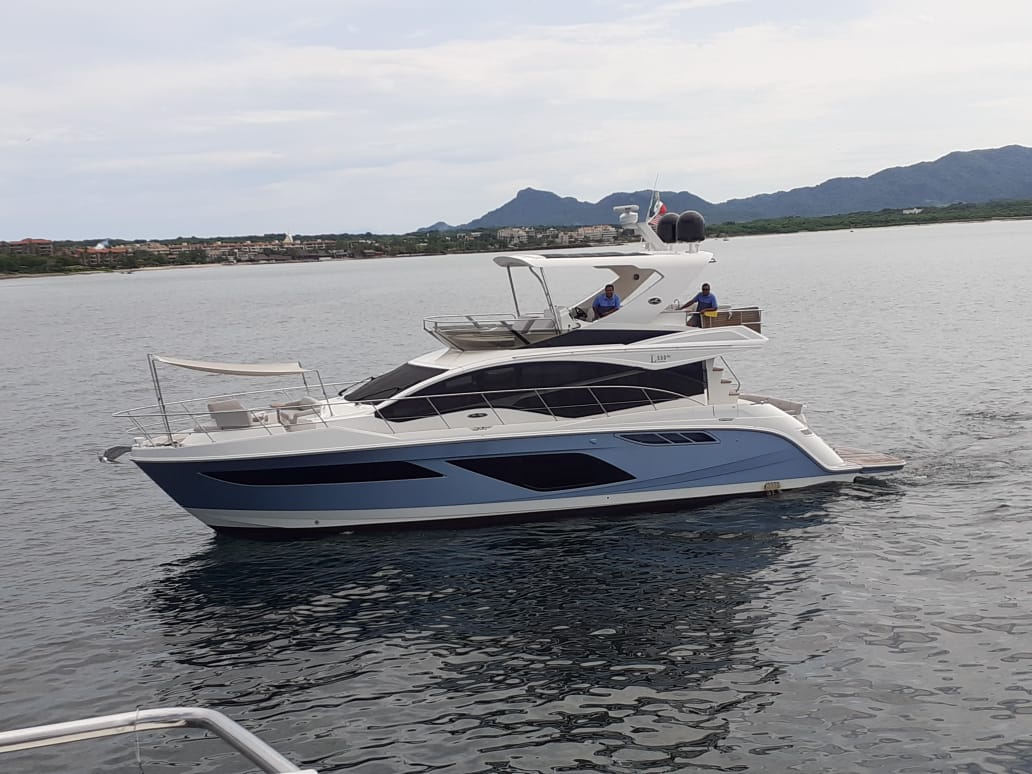
A dream day on the water should start with excitement - not uncertainty over whether the boat, owner, or payment request is real. Knowing how to avoid charter scams helps protect more than your vacation budget. It helps ensure the vessel, crew, itinerary, and experience you are picturing actually exist when it is time to leave the dock.
Most charter scams do not look obviously suspicious at first. They often borrow real boat photos, use convincing language, and create pressure around a supposedly limited date. The good news is that a few careful checks can reveal whether a booking opportunity is legitimate long before you send money or make travel plans around it.
How to Avoid Charter Scams: Start With the Listing
A polished listing is not the same thing as a verified charter. Treat every listing as the beginning of your research, especially if the rate seems dramatically lower than comparable boats in the same destination. A bargain can be real when an owner has an open date to fill, but a luxury yacht priced far below the local market deserves closer scrutiny.
Look for specific details that are difficult to fake: the boat's make and model, length, year, capacity, home marina, amenities, crew information, and clear terms for the charter. A legitimate owner or operator should be able to answer practical questions about the vessel without vague replies or changing details.
Photos deserve attention, too. Check whether the images show a consistent vessel across interior, exterior, deck, and marina shots. Watch for mismatched boat names, different hull colors, inconsistent layouts, or photos that seem to have been taken on several unrelated yachts. If something feels off, ask for a current photo or short video showing the boat name, exterior, and a detail you request, such as a particular section of the deck.
A real operator should not be offended by this. For a multi-day yacht charter or a major celebration, it is a sensible part of booking.
Verify the Person Behind the Boat
The central question is simple: are you communicating with the person or company authorized to charter this vessel? Scammers commonly impersonate real owners, brokers, and charter companies. They may copy names, logos, and descriptions from legitimate sources, then redirect inquiries to a different phone number or email address.
Keep communication within the marketplace or official booking channel whenever possible. If someone asks you to move immediately to a personal messaging app, that is not automatically a scam, but it removes a useful record of the conversation and can make disputes harder to resolve.
Before committing, ask for the operator's business details, including their full legal name, operating address, and a phone number that can be independently verified. Search for the boat name and location separately. You are looking for consistency: the same vessel associated with the same operator, marina, or charter activity.
For higher-value bookings, call the marina where the vessel is reportedly based. Ask whether the boat is there and whether the named operator is known to charter from that location. Marinas may not disclose every detail, but they can often confirm enough to help establish that the vessel and operation are real.
Reviews can offer useful context, but do not rely on a perfect five-star score alone. Read the language, dates, and details. Genuine reviews tend to mention routes, crew members, pickup locations, weather changes, and the small realities of a day on the water. A sudden batch of generic reviews with similar wording is less reassuring.
Pay Only Through Protected, Traceable Channels
Payment is where a questionable inquiry becomes a costly scam. Be wary of requests for wire transfers, cryptocurrency, gift cards, cash deposits, or payment to an account in a name unrelated to the owner or operator. These methods can be difficult or impossible to reverse once funds are sent.
A legitimate charter may require a deposit and a balance payment before departure. That is standard. What matters is whether the payment process is documented, traceable, and tied to a signed agreement. Use the platform's approved payment system when available, or pay by credit card through a recognized processor. Credit cards can offer an additional layer of dispute protection, though coverage depends on the issuer and circumstances.
Do not let a claim of another interested guest force a rushed decision. Peak-season dates, holiday weekends, and major events do book quickly. Still, a trustworthy operator can give you enough time to review the agreement and understand the payment terms. Pressure to pay within minutes is a warning sign, not proof that you found an exclusive opportunity.
Also be cautious with payment links. Confirm that the page belongs to the company or marketplace you intended to use, and do not enter card details after clicking a link sent from an unfamiliar address. When in doubt, navigate to the official site yourself instead of using the link.
Read the Charter Agreement Before Sending a Deposit
A real agreement does more than state a price. It sets expectations for both sides and gives you a written record of what was promised. Before paying, make sure the contract identifies the vessel, charter date, departure location, duration, total price, payment schedule, and cancellation policy.
It should also explain what is included. Fuel, captain fees, crew gratuity, food and beverages, dockage, taxes, water toys, and overnight berthing can change the final cost significantly. A lower initial quote may be legitimate, but only if the additional charges are clear before you book.
Pay particular attention to weather provisions. A day charter can be affected by wind, storms, sea conditions, or local restrictions. Ask what happens if the captain determines conditions are unsafe. Will the trip be rescheduled, shortened, rerouted, or refunded? There is no universal answer, but there should be a clear one.
For bareboat charters, confirm the qualifications required to operate the vessel and whether a security deposit or damage hold applies. For crewed charters, clarify the captain and crew arrangement. Any operator who refuses to put core terms in writing is asking you to accept unnecessary risk.
Confirm Insurance, Licensing, and Local Requirements
Insurance and licensing requirements vary by destination, boat type, charter model, and whether the vessel is crewed. You do not need to become a maritime attorney to book confidently, but you should feel comfortable asking direct questions.
Ask whether the vessel is commercially insured for charter activity, whether the captain holds the credentials required locally, and whether passenger limits are being observed. On a larger yacht, ask who is responsible for the vessel's operation and what safety equipment is carried aboard. A professional answer should be clear, calm, and specific.
If you are chartering internationally, factor in local rules as well. Some destinations require licensed local captains, restrict where a boat can travel, or charge taxes and cruising fees that are not included in a base rate. The right charter partner will help you understand these details rather than surprising you after payment.
Watch for Red Flags That Matter
One unusual detail does not always mean fraud. A newer owner may have few reviews, an independent captain may prefer phone calls, or a last-minute opening may come with a genuine discount. What matters is the pattern.
Take a step back if you encounter several warning signs at once:
- A rate that is implausibly low for the destination, season, and vessel type
- Refusal to provide a contract, current vessel photos, or clear operator details
- Requests for wire transfers, cryptocurrency, gift cards, or payment to an unrelated name
- Urgent pressure to pay before you can ask normal booking questions
- Inconsistent boat specifications, locations, photos, or cancellation terms
- A request to communicate or pay outside a marketplace without a credible reason
Trust your instincts, but give them evidence. A few extra questions can protect a charter budget that may include flights, hotels, celebrations, and carefully planned vacation time.
If Something Feels Wrong After You Pay
Act quickly. Save screenshots of the listing, messages, payment confirmations, contract, and any contact details you received. Contact the booking platform or payment provider immediately and explain the concern with dates and documentation. If you paid by credit card, ask the issuer about the process for disputing a fraudulent charge.
Avoid sending additional money to "release" a booking, obtain a supposed refund, or cover a surprise administrative fee. Follow-up payment demands are a common escalation tactic. If the charter is imminent, contact the stated marina directly to verify whether the vessel is scheduled and operating.
The best charter bookings leave room for anticipation: choosing a route, planning lunch on deck, and deciding where to swim when the water turns that impossible shade of blue. Give yourself the same care before booking that you would give the experience itself. The right boat, owner, and agreement will make confidence feel like part of the journey.