Are Fuel Costs Included in Boat Rentals?
Are fuel costs included in boat rentals? Learn what charter pricing covers, how fuel is calculated, and the questions to ask before you reserve your trip.
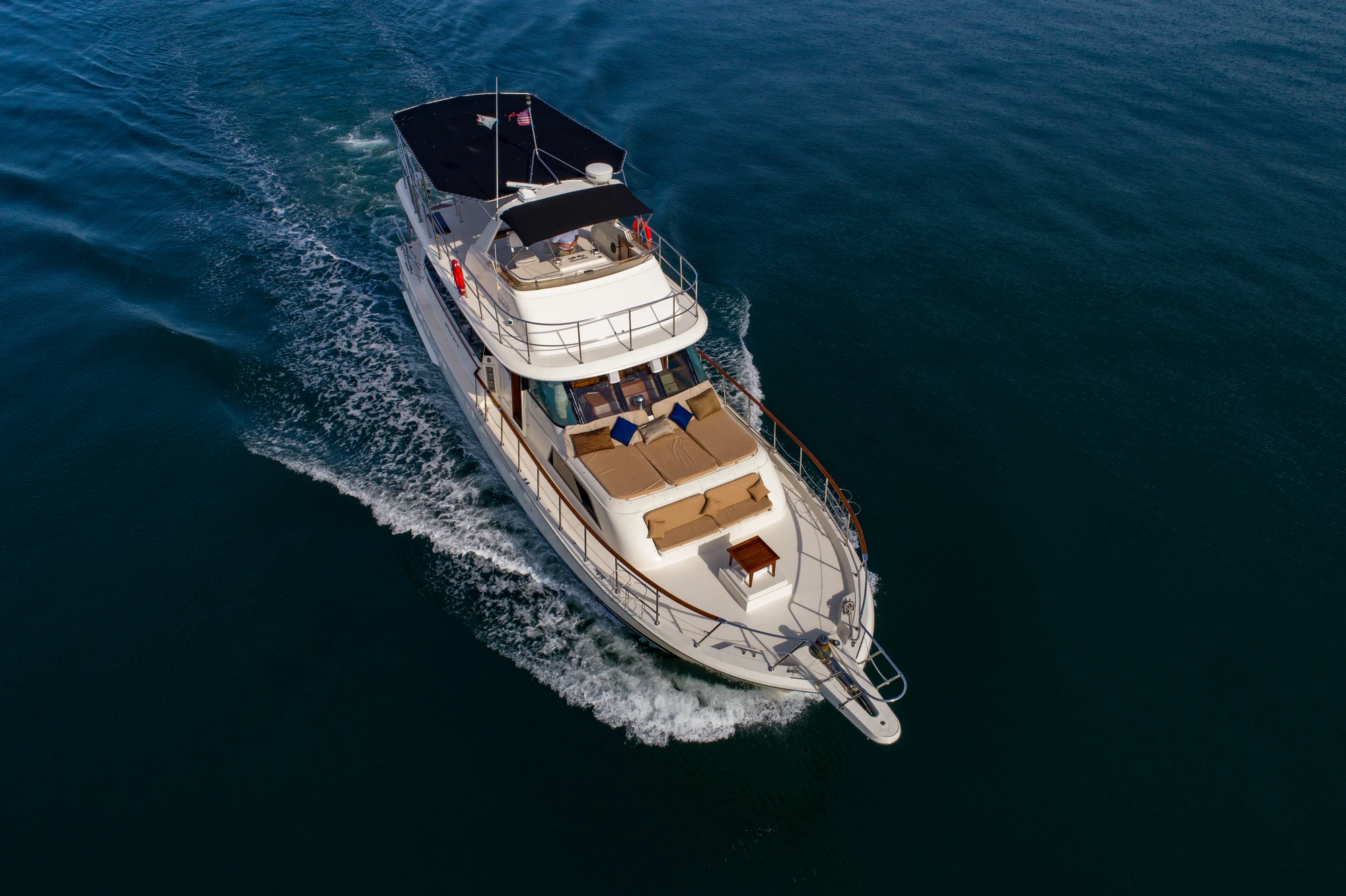
A sunset cruise can look simple on a booking page: choose the boat, set the date, invite your people. Then comes the question that can change the final price substantially: are fuel costs included? The honest answer is that it depends on the vessel, location, charter type, and how far you plan to go.
Fuel is one of the most variable expenses in boating. A quiet afternoon anchored near shore uses very little. A full day running a powerful motor yacht between islands can use a great deal. Knowing how fuel is handled before you confirm a charter lets you plan with confidence and focus on the experience ahead.
Are Fuel Costs Included in Boat Rentals?
Some boat rentals include fuel in the advertised price, while others charge it separately based on actual consumption. Neither approach is automatically better. An all-inclusive rate offers clarity, especially for a short local outing. Paying based on use can be fairer when your plans are flexible or when you expect to spend most of the day swimming, relaxing, and anchored rather than cruising.
The listing details and charter agreement should make the policy clear. Look for language such as “fuel included,” “fuel allowance,” “fuel charged at end of charter,” or “fuel not included.” If the wording is vague, ask the owner or operator before booking. A direct question early on is far easier than a surprise charge after a memorable day on the water.
For many bareboat rentals, fuel is separate. You leave with a full tank and either return the boat full or pay for the fuel used. On captained charters, particularly larger yachts, fuel may be invoiced after the trip because the captain follows the itinerary you choose and records actual consumption.
Why Fuel Policies Vary So Much
Boat fuel use is not comparable to filling up a rental car. Hull design, engine size, cruising speed, weather, passenger load, and route all influence consumption. A compact center console touring a harbor and a 70-foot yacht cruising at speed have entirely different fuel profiles.
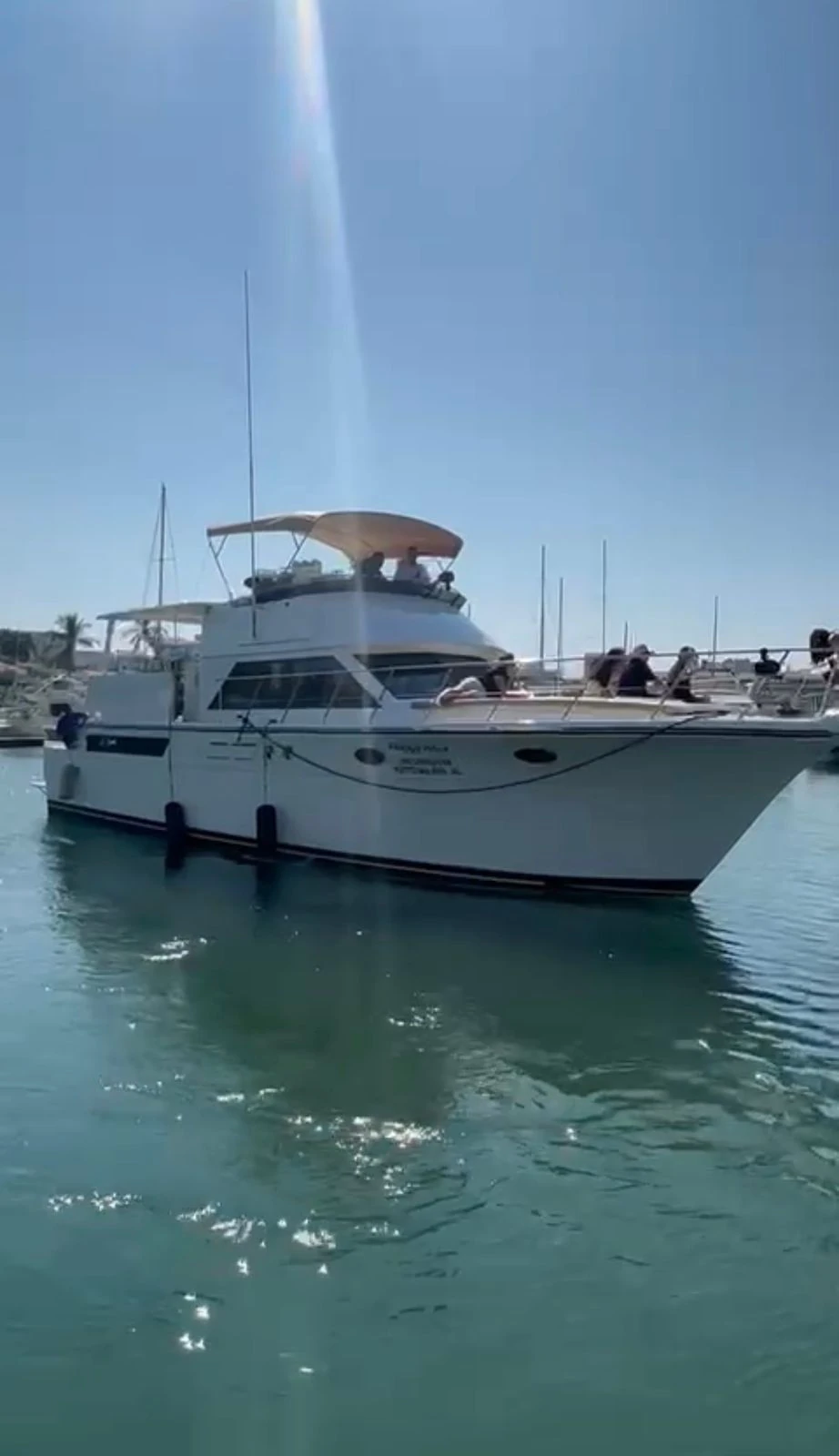
Distance is only part of the equation. Running into wind and chop can require more power than traveling the same distance in calm conditions. Time at idle, generator use at anchor, air conditioning, water toys, and the speed requested by guests can also affect the final number on certain yachts.
Local fuel pricing matters as well. Marina fuel rates in popular destinations, remote islands, and high-season resort areas can be higher than travelers expect. For an itinerary built around several bays, beach clubs, or neighboring islands, fuel should be treated as a real part of the trip budget, not an afterthought.
The charter format makes a difference
A self-operated day boat often has the clearest fuel process: the renter pays for what is used. That may mean topping off at a marina on return or allowing the owner to refuel and provide the receipt.
Captained boats and yachts may handle costs through a fuel deposit, a stated allowance, or a post-charter calculation. Multi-day luxury charters can use an Advance Provisioning Allowance, commonly called an APA. This is a fund collected before departure to cover variable operating expenses such as fuel, provisions, dockage, and sometimes special requests. The captain tracks spending, and unused funds are returned while additional costs are settled if needed.
Not every crewed charter uses APA, so never assume. A fixed-price half-day cruise may include captain, fuel, ice, and water, while a weeklong yacht itinerary may quote the yacht, crew, and taxes separately from operating expenses.
How to Read a Boat Rental Price Clearly
The best listings make the essentials easy to find, but travelers should still read beyond the headline rate and check what a charter rate includes. Start by separating fixed costs from variable ones. The base charter price may cover the boat for a set number of hours. Fuel, captain fees, gratuity, cleaning, security deposits, marina fees, food, drinks, and water sports may be included, optional, or additional depending on the listing.
When comparing two boats, do not compare only their daily rates (see what private yacht rental costs to expect). A slightly higher-priced charter that includes fuel and a captain can be a better value than a lower base rate with several required add-ons. On the other hand, a boat with separately billed fuel may be ideal for guests planning a laid-back local cruise with limited engine time.
Ask for an estimated total based on your intended itinerary. An owner or operator familiar with the area can often provide a useful range, even when exact fuel use cannot be guaranteed. Share where you want to go, how long you have, the number of guests, and whether you picture a slow scenic cruise or a faster run to a distant destination.
Questions worth asking before you reserve
Before confirming, get straightforward answers to these details:
- Is fuel included in the listed charter price, and if so, is there a mileage or operating-hour limit?
- If fuel is extra, is it billed by gallons, engine hours, a fixed route rate, or actual refueling cost?
- Does the price include the captain and crew, or are they separate charges?
- Are generators, tender use, water toys, dockage, and park or mooring fees included?
- Is a deposit or APA required, and when is any unused balance returned?
You do not need to turn a vacation into a spreadsheet. You simply need enough clarity to choose the right boat and itinerary without pressure. A professional owner will appreciate clear questions because it helps set the day up well for everyone.
Estimating Fuel for Your Itinerary
If fuel is separate, a rough estimate begins with the route. Consider the total distance to and from your destination, plus time spent sightseeing or moving between anchorages. Then consider the kind of boat. Smaller outboard-powered boats may be relatively economical at moderate speeds, while high-performance vessels and large yachts can consume fuel quickly when cruising fast.
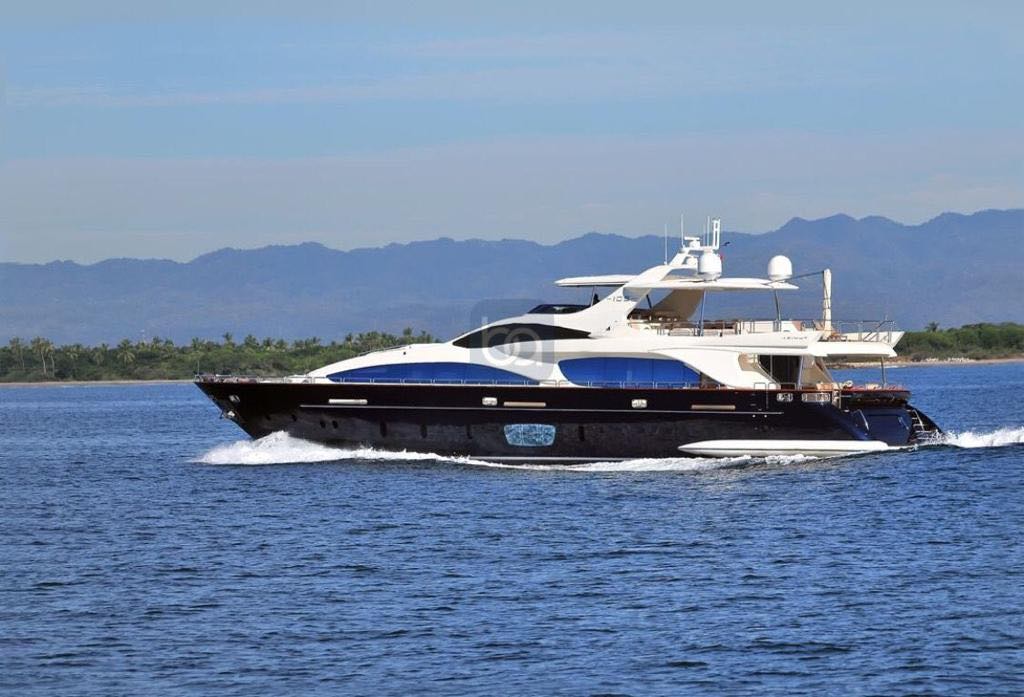
Your operator may quote consumption in gallons per hour rather than miles per gallon. That is normal in boating because speed and sea conditions have such a strong effect on use. For example, a boat that burns a certain number of gallons per hour at cruising speed will cost more if the day calls for several hours of continuous travel than if it makes one short run and anchors for lunch.
A helpful approach is to build two plans: your ideal route and a closer alternative. If weather changes, guests want more time in the water, or the fuel estimate feels high, you have an equally enjoyable option ready. Often the best charter days are not about covering the most distance. They are about finding the right cove, enjoying a long lunch, and leaving room for an unplanned swim.
Avoiding Surprises Without Limiting the Fun
Fuel transparency should not take the spontaneity out of a boat day. It should give you the freedom to make informed choices. Confirm the policy in writing through the booking details, ask whether taxes are included, and retain any final fuel receipt or expense statement. If you have a budget ceiling, tell the captain before departure. They can often recommend a route that delivers the views and atmosphere you want while keeping costs aligned with your plan.
For travelers booking through a marketplace such as BYRBO, the variety of owner-direct listings is a real advantage, but it also makes careful comparison essential. One owner may include fuel for a local cruise; another may price the vessel separately so guests can customize the day. Read each listing on its own terms rather than assuming every charter in a destination follows the same practice.
A great day on the water starts with the right expectations. Once you know how fuel is treated, you can choose your course with a clearer budget, a better itinerary, and more attention for the moments that make a charter unforgettable.